
2026-11-12
OEM Medical Products: How Custom Manufacturing Helps Global Buyers
For medical distributors, importers, and healthcare suppliers, finding products that meet market requirements is only part of the challenge. Building a recognizable brand, controlling product specifications, and maintaining a reliable supply chain are equally important.
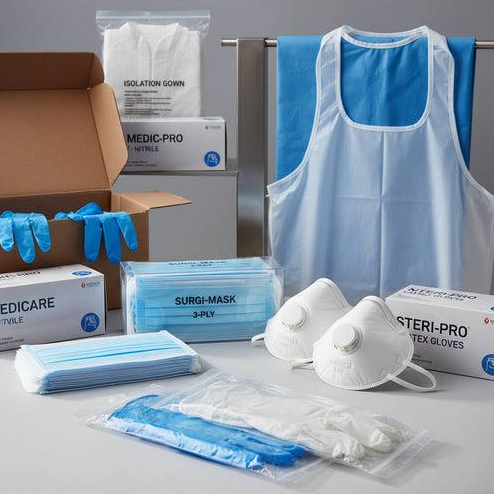
OEM medical products offer a practical way to achieve these goals. By working with an experienced manufacturer, buyers can customize product specifications, packaging, labeling, and branding without investing in their own production facilities.
This guide explains how OEM medical manufacturing works, the difference between OEM and ODM, what buyers can customize, and how to choose the right manufacturing partner.
1. What Are OEM Medical Products?
OEM (Original Equipment Manufacturing) refers to a manufacturing arrangement in which a factory produces products according to a buyer’s requirements. Depending on the agreement, the buyer may provide product specifications, designs, packaging instructions, or branding materials.
In the medical supplies industry, OEM services can cover products such as:
- Disposable medical masks
- Surgical gowns and isolation gowns
- Medical examination gloves
- Surgical drapes and other disposable supplies
- Underpads and incontinence care products
For distributors and importers, OEM manufacturing makes it possible to develop a private-label product range while relying on an established factory for production.
The exact scope of OEM services varies by manufacturer. Buyers should confirm whether the supplier supports product customization, packaging development, labeling, quality inspection, and export documentation.
2. OEM vs ODM Medical Products: What Is the Difference?
OEM and ODM are two common manufacturing models, but they offer different levels of buyer involvement.
| Comparison | OEM | ODM |
|---|---|---|
| Product design | Based on buyer requirements or approved specifications | Based largely on the manufacturer’s existing designs |
| Customization | Product specifications, branding and packaging, subject to feasibility | Usually focuses on branding and selected modifications |
| Development involvement | Often higher | Usually lower |
| Best for | Buyers with defined product requirements | Buyers looking for ready-developed products |
| Main consideration | Development time and customization costs | Available designs and customization limitations |
Which model should you choose?
Choose OEM if you already have product specifications, packaging requirements, or a clear brand positioning.
Choose ODM if you want to enter the market faster using an existing product design.
Before signing an agreement, clarify who owns the product design, artwork, tooling, and other custom-developed materials.
3. How Custom Medical Consumables Manufacturing Works
Custom medical consumables manufacturing involves more than printing a logo on a product. Buyers should establish clear requirements before production begins.
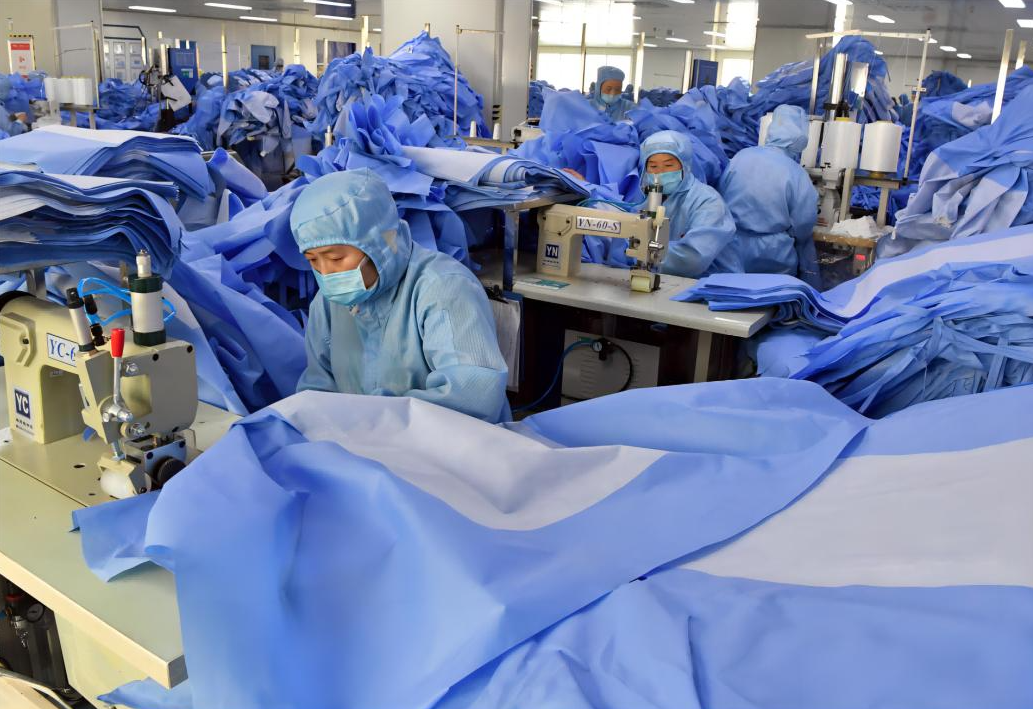
A typical process includes five steps:
Step 1: Define product requirements
Identify the product type, intended use, dimensions, materials, performance requirements, and applicable market regulations.
For example, a buyer sourcing disposable surgical gowns should specify the material, size range, packaging method, and required product performance.
Step 2: Confirm customization options
Discuss which elements the manufacturer can customize:
- Product materials and specifications
- Sizes, colors, and product configurations
- Logo placement and labeling
- Individual packaging and carton design
Not every factory can customize every feature. Confirm technical feasibility before requesting a final quotation.
Step 3: Review samples
Request samples to evaluate appearance, dimensions, materials, workmanship, and relevant performance characteristics.
Where applicable, request supporting test reports and product documentation.
Step 4: Approve packaging and artwork
Check the logo, product name, specifications, manufacturer information, regulatory labeling, and packaging language.
The final artwork should be approved before mass production.
Step 5: Confirm production and quality requirements
Agree on the order quantity, production schedule, inspection criteria, acceptance standards, and delivery arrangements.
A written specification sheet helps both parties avoid misunderstandings.
4. How to Choose a Private Label Medical Supplies Manufacturer
Finding a private label medical supplies manufacturer requires more than comparing prices. Medical products have specific quality and compliance requirements, so buyers should evaluate suppliers carefully.
Consider these five factors:
1. Manufacturing capabilities
Ask whether the supplier operates its own factory or relies on outsourced production. Understand which processes are completed in-house and which are subcontracted.
2. Quality management
Request information about the manufacturer’s quality management system, inspection procedures, and relevant certifications.
Check that certificates are valid and apply to the actual manufacturing site and product scope.
3. Product documentation
Depending on the product and destination market, documentation may include technical specifications, test reports, declarations of conformity, and other regulatory records.
4. Customization experience
Ask for examples of available packaging formats, labeling options, and previous customization work. Confirm that the supplier can support your requirements.
5. Communication and supply reliability
A suitable partner should provide clear quotations, realistic lead times, production updates, and a defined process for handling quality issues.
A low quotation is not necessarily the lowest overall cost if it comes with inconsistent quality or unreliable delivery.
5. Low MOQ Medical Supplies OEM: What Should Buyers Know?
Minimum order quantity (MOQ) is one of the most important considerations when developing a private-label medical product.
Low MOQ medical supplies OEM services can help smaller distributors test market demand before committing to larger orders.
However, MOQ depends on several factors:
- Whether the product is already available in standard specifications
- Whether new materials or production setups are required
- The quantity of custom packaging materials
- Printing, labeling, and tooling requirements
- Production efficiency and order complexity
For example, adding a logo to standard packaging may involve different costs and minimum quantities from developing entirely new printed packaging.
When discussing MOQ, ask the manufacturer to separate the minimum production quantity from the minimum packaging order. This makes it easier to understand the actual cost of customization.
6. Custom Packaging Medical Products: Details That Matter
Packaging plays an important role in private-label medical supplies. It protects products, communicates essential information, and helps distributors maintain consistent brand presentation.
Common customization options include:
- Private-label logos and brand colors
- Individual product packaging
- Inner boxes and outer cartons
- Multilingual product information
- Barcode and batch identification
- Product labels and instructions, where applicable
For medical products, packaging design must also consider applicable labeling and regulatory requirements.
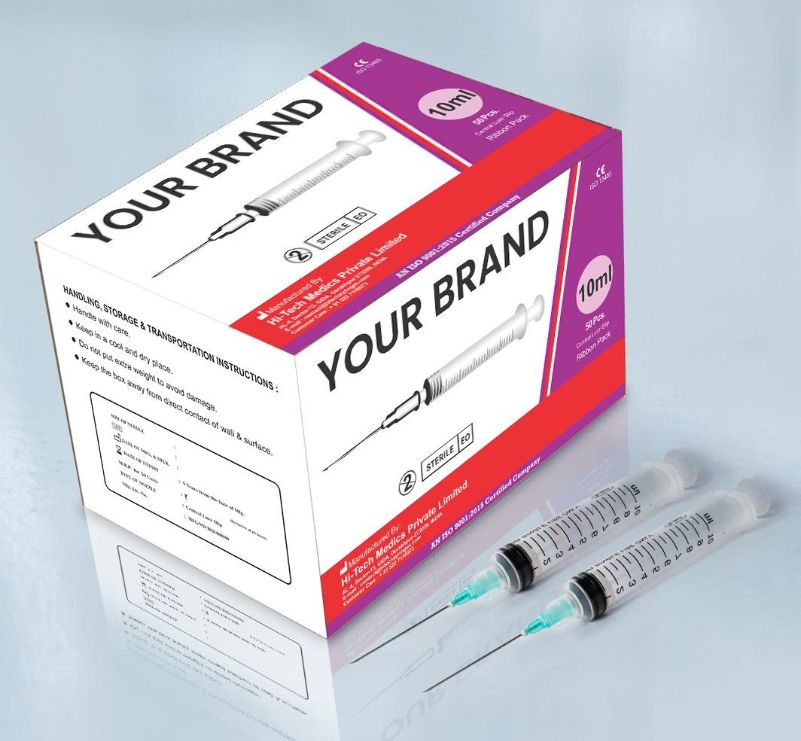
Do not approve packaging based on appearance alone. Verify the product description, specifications, manufacturer details, warnings, symbols, and required language before printing.
7. OEM Medical Products Compliance: What Global Buyers Need to Check
Compliance is a critical part of medical product sourcing. A product that can be manufactured does not automatically meet the requirements of every destination market.
For buyers in the United States and Europe, regulatory requirements depend on the product category, intended purpose, classification, and applicable legislation.

Before placing an order, confirm:
- The product’s intended use and regulatory classification.
- Which market-specific regulations apply.
- Whether the manufacturer and product have the required registrations, certifications, or conformity documentation.
- Whether test reports cover the exact product specifications.
- Whether labeling, packaging, and technical documentation meet destination-market requirements.
For example, medical devices placed on the European market may be subject to the EU Medical Device Regulation (MDR), while products regulated as medical devices in the United States may require compliance with applicable FDA requirements.
Buyers should independently verify regulatory status rather than relying only on a supplier’s general statement that its products are certified.
8. Is Medical Product Contract Manufacturing Right for Your Business?
Medical product contract manufacturing can be a suitable option for companies that want to expand their product portfolio without building their own production facilities.
It may be particularly useful for:
- Medical distributors developing private-label product lines.
- Importers looking for more control over product specifications.
- Healthcare suppliers expanding into additional product categories.
- Established brands seeking alternative manufacturing partners.
However, OEM is not automatically the best solution for every buyer. Custom development may involve higher initial costs, longer preparation times, and additional regulatory responsibilities.
Before choosing a partner, compare the total cost, production capabilities, quality requirements, documentation, and long-term supply arrangements.
Conclusion: Build a More Competitive Medical Product Line with OEM Manufacturing
OEM medical products give global buyers greater flexibility in product specifications, branding, packaging, and supply chain planning.
The key is to select a manufacturer that can meet your technical requirements, provide transparent quality documentation, and support the relevant regulatory requirements in your target market.
If you are planning to develop a private-label medical supplies range, start by defining your product requirements and discussing customization options with potential manufacturing partners.
Explore our medical disposable consumables to learn more about available product categories, or learn about our manufacturing environment before discussing your OEM requirements.
Contact our team to discuss your product specifications, packaging requirements, and potential cooperation opportunities.
Frequently Asked Questions (FAQ)
1. What are OEM medical products?
OEM medical products are medical supplies manufactured according to a buyer’s approved requirements, which may include product specifications, branding, labeling, and packaging.
2. How do I find an OEM medical products manufacturer in China?
Evaluate factory capabilities, quality management systems, product documentation, customization options, production capacity, and export experience. Request samples and verify relevant certifications before placing an order.
3. What does a private label medical supplies manufacturer do?
A private label medical supplies manufacturer produces products that can be sold under a buyer’s brand. Services may include logo printing, customized labels, product packaging, and selected product modifications.
4. What is the difference between OEM and ODM medical products?
OEM manufacturing generally follows buyer-defined product requirements, while ODM uses products or designs developed by the manufacturer. The level of customization depends on the supplier’s capabilities and agreement.
5. Can I order low MOQ medical supplies OEM?
Yes, some manufacturers accept smaller OEM orders, especially for standard products with limited customization. However, custom materials, printing, and packaging may require separate minimum quantities.
6. Can manufacturers provide custom packaging for medical products?
Yes. Depending on their capabilities, manufacturers may offer customized logos, labels, individual packaging, inner boxes, and outer cartons. All packaging must meet applicable labeling and regulatory requirements.
7. What should I check before choosing a medical device OEM manufacturer?
Check the manufacturer’s production capabilities, quality management system, relevant certifications, product-specific documentation, sample quality, and ability to meet destination-market regulations.
8. What is medical product contract manufacturing?
Medical product contract manufacturing is an arrangement in which a company hires an external manufacturer to produce medical products according to agreed specifications, quality requirements, and contractual terms.