
2026-10-13
Graphene in Healthcare: Applications, Benefits, and Future Trends
Graphene is attracting interest in healthcare for its potential antibacterial properties, electrical conductivity, and ability to improve functional materials. But how useful is it in real medical products, and what should buyers check before choosing graphene-based solutions?
Graphene in healthcare is being explored for wound dressings, biosensors, medical device coatings, and functional nonwoven fabrics. Some applications remain experimental, while graphene-enhanced textile and personal care products are already available commercially.
This guide explains the main applications, potential benefits, safety considerations, and technical factors that healthcare manufacturers and distributors should understand.
What Is Graphene and Why Is It Used in Healthcare?
Graphene is a thin layer of carbon atoms arranged in a hexagonal structure. Its strength, conductivity, large surface area, and surface chemistry make it attractive for developing advanced materials.
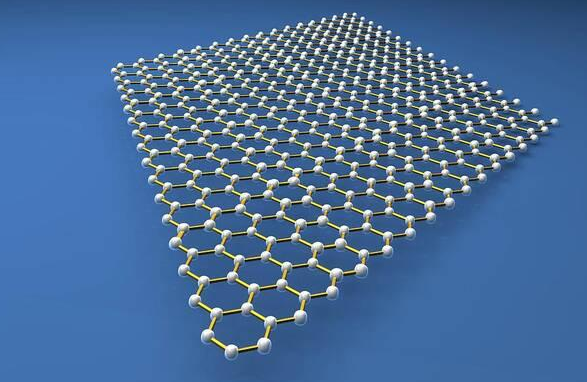
Graphene-related materials include graphene oxide (GO), reduced graphene oxide (rGO), and other modified forms. They do not all behave the same way.
In healthcare, graphene is generally incorporated into coatings, polymers, fibers, or composite structures rather than used as a standalone sheet.
The main potential advantages include:
- Antibacterial functionality: Certain graphene-based formulations can inhibit bacterial growth under defined laboratory conditions.
- Electrical conductivity: Useful for exploring sensors and wearable monitoring technologies.
- Material modification: Graphene can change the mechanical or surface properties of composite materials.
- Functional textiles: Graphene-containing fibers can be developed for selected hygiene and personal care applications.
Actual performance depends on the graphene type, concentration, processing method, and finished product design.
Graphene Medical Applications: Where Is It Being Used?
Research into graphene applications in healthcare covers several fields, from everyday hygiene materials to advanced medical technologies.

| Application | Potential benefit | Development considerations |
|---|---|---|
| Functional textiles | Added antibacterial functionality | Commercial products available; claims require testing |
| Wound dressings | Antimicrobial surfaces and wound management | Primarily research and development |
| Medical device coatings | Reduced microbial adhesion | Experimental; safety and durability require validation |
| Biosensors | Sensitive electrical signal detection | Research and application-specific development |
| Drug delivery systems | Controlled or targeted delivery potential | Experimental; significant safety evaluation required |
Graphene Antibacterial Materials
One widely studied property of graphene-related materials is their potential antibacterial activity.
Depending on their structure and formulation, some graphene materials may interact with bacterial membranes or contribute to oxidative stress.
However, antibacterial effectiveness is not universal. A material that performs well in one laboratory test may behave differently when incorporated into a fabric or exposed to moisture, washing, and repeated use.
For procurement teams, finished-product antibacterial test results are more useful than general claims about graphene itself.
Graphene Wound Care Applications
Researchers are investigating graphene-based wound dressings because of their potential antimicrobial properties and compatibility with different composite structures.
Possible applications include hydrogel dressings, nanofiber membranes, and functional wound-contact layers.
A 2024 review in ACS Biomaterials Science & Engineering examined the mechanisms, designs, and development challenges of graphene-based wound dressings.
These findings are promising, but they do not establish that every graphene dressing accelerates healing or is suitable for clinical use.
Graphene in Medical Devices
Graphene is also being investigated for medical device coatings and biosensors.
Potential applications include surfaces designed to limit microbial adhesion and conductive components for monitoring biological signals.
For medical device manufacturers, important questions include coating stability, particle release, cytotoxicity, and performance after processing or sterilization.
Graphene integration alone does not demonstrate medical safety or regulatory compliance.
Graphene Nonwoven Medical Products and Healthcare Textiles
One practical area of interest is the development of graphene functional nonwoven materials.
Nonwoven fabrics are widely used in disposable healthcare and hygiene products. Incorporating graphene-based components may introduce additional functionality, depending on the manufacturing process.

Potential graphene nonwoven medical products and related personal care applications include:
- Adult incontinence products and absorbent underpads
- Hygiene textiles and skin-contact fabrics
- Selected protective clothing components
- Functional liners and other nonwoven layers
For example, graphene-containing nonwoven materials can be considered for the surface layer of an adult underpad. Buyers should evaluate both antibacterial performance and ordinary product requirements such as softness, absorbency, and skin compatibility.
Unlike conventional nonwovens, graphene-enhanced fabrics may also require assessment of graphene distribution, adhesion, and durability.
To understand the differences between standard and functional materials, explore this guide to healthcare materials and technology.
Graphene Healthcare Benefits and Risks: What Should Buyers Evaluate?
Graphene healthcare benefits and risks should be assessed together.
Although graphene medical materials offer interesting functional possibilities, material-level performance does not automatically translate into a safe, effective finished product.
Key Performance and Safety Checks
Before purchasing graphene healthcare products, buyers should request relevant technical documentation.
| Evaluation factor | What to check |
|---|---|
| Antibacterial performance | Test organisms, method, results, and sample identification |
| Material composition | Graphene type, loading, base material, and manufacturing process |
| Skin compatibility | Relevant biological safety assessment for intended contact |
| Functional durability | Performance after washing, abrasion, or wet exposure where applicable |
| Physical performance | Absorbency, strength, breathability, or other application-specific indicators |
| Regulatory status | Product classification, intended use, and required market documentation |
For products intended to contact the human body, biological evaluation may be necessary.
The FDA’s guidance on ISO 10993-1 emphasizes risk-based biocompatibility evaluation of finished medical devices, including relevant material characteristics and contact conditions.
Buyer tip: Always confirm whether a test report covers the actual finished product, the raw material, or a different formulation.
How to Select Reliable Graphene Healthcare Products
Choosing a graphene-based product requires more than comparing material descriptions and quotations.
Use the following five-step purchasing process:
- Define the intended use. Identify whether the product is intended for general hygiene, skin contact, wound management, or a regulated medical application.
- Verify the material. Request information about the graphene type, composition, and integration method.
- Review test evidence. Check laboratory methods, report dates, tested samples, and measurable performance.
- Evaluate samples. Test functionality alongside conventional requirements such as comfort, absorbency, durability, and packaging.
- Confirm compliance. Check applicable US or European regulatory obligations before placing a commercial order.
For products marketed as antibacterial, avoid relying solely on a percentage reduction claim without reviewing the test conditions.
For hygiene product sourcing, buyers can also explore graphene-based personal care products to understand available product formats and potential applications.
Graphene Medical Technology Trends: What Comes Next?
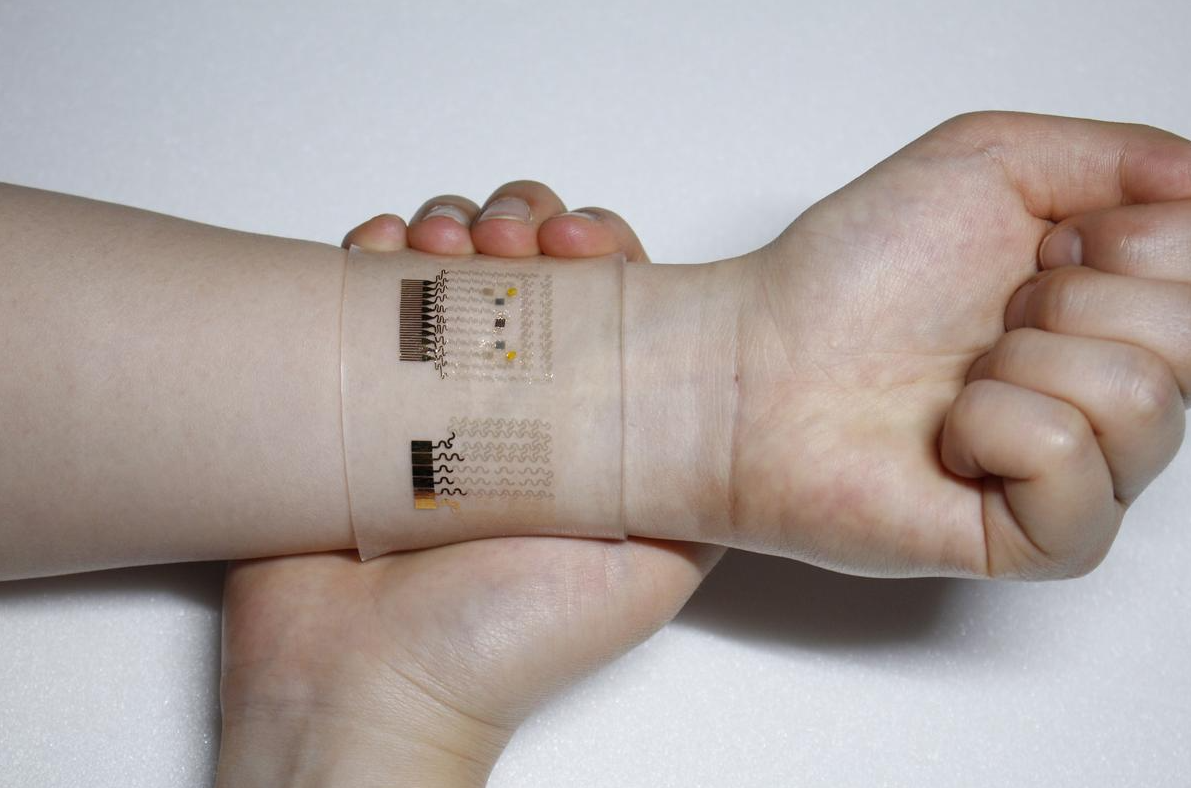
Several graphene medical technology trends are worth monitoring.
Smart Sensors and Wearable Healthcare
Graphene’s electrical properties make it a research candidate for flexible sensors that measure selected biological or physical signals.
Commercial adoption will depend on reliable measurements, manufacturing consistency, and appropriate regulatory validation.
Advanced Antibacterial Coatings
Researchers continue to investigate graphene-containing coatings for reducing microbial attachment to surfaces.
Future development will need to address long-term durability, safety, and performance in real-use environments.
Functional Nonwoven Material Development
Graphene-enhanced nonwoven materials may offer opportunities for differentiated hygiene and healthcare products.
Manufacturers are likely to focus on process consistency, measurable functionality, comfort, and scalable production.
The most useful innovations will be those supported by reproducible finished-product testing rather than material claims alone.
Conclusion: Is Graphene the Future of Healthcare Materials?
Graphene in healthcare offers promising opportunities across functional textiles, antibacterial materials, wound care research, and medical technology.
However, graphene is not a universal solution. Its value depends on the application, material formulation, measurable performance, and safety evidence.
For B2B buyers, the best approach is to start with a clear product requirement, review relevant testing, and compare graphene-enhanced products against conventional alternatives.
Interested in evaluating graphene-based nonwoven materials or healthcare product options? Visit Shuer Medical to explore material information and discuss your sourcing requirements.
Frequently Asked Questions (FAQ)
1. What are the main graphene applications in healthcare?
Graphene is being studied for antibacterial materials, wound dressings, medical device coatings, biosensors, and drug delivery systems. It is also incorporated into some commercially available functional textiles and personal care products.
2. Are graphene antibacterial materials effective?
Some graphene-based materials demonstrate antibacterial activity under laboratory conditions. Effectiveness depends on the material composition, bacteria tested, and testing environment. Finished-product test reports are necessary to support specific antibacterial claims.
3. Are graphene nonwoven medical products safe for skin contact?
Safety depends on the finished material, formulation, exposure, and intended use. Relevant skin compatibility or biocompatibility evidence should be reviewed before using graphene nonwovens in skin-contact medical products.
4. Can graphene be used in wound care products?
Yes. Graphene-based materials are being investigated for wound dressings and antimicrobial wound-contact structures. However, clinical suitability and safety must be established for each specific product.
5. What are the main graphene healthcare benefits and risks?
Potential benefits include antibacterial functionality, conductivity, and material modification. Risks and uncertainties include cytotoxicity, particle release, durability, and insufficient application-specific safety evidence.
6. What should buyers check before sourcing graphene healthcare products?
Buyers should verify material composition, finished-product testing, physical performance, biological safety, manufacturing consistency, and applicable regulatory documentation.